
Last updated November 21, 2026
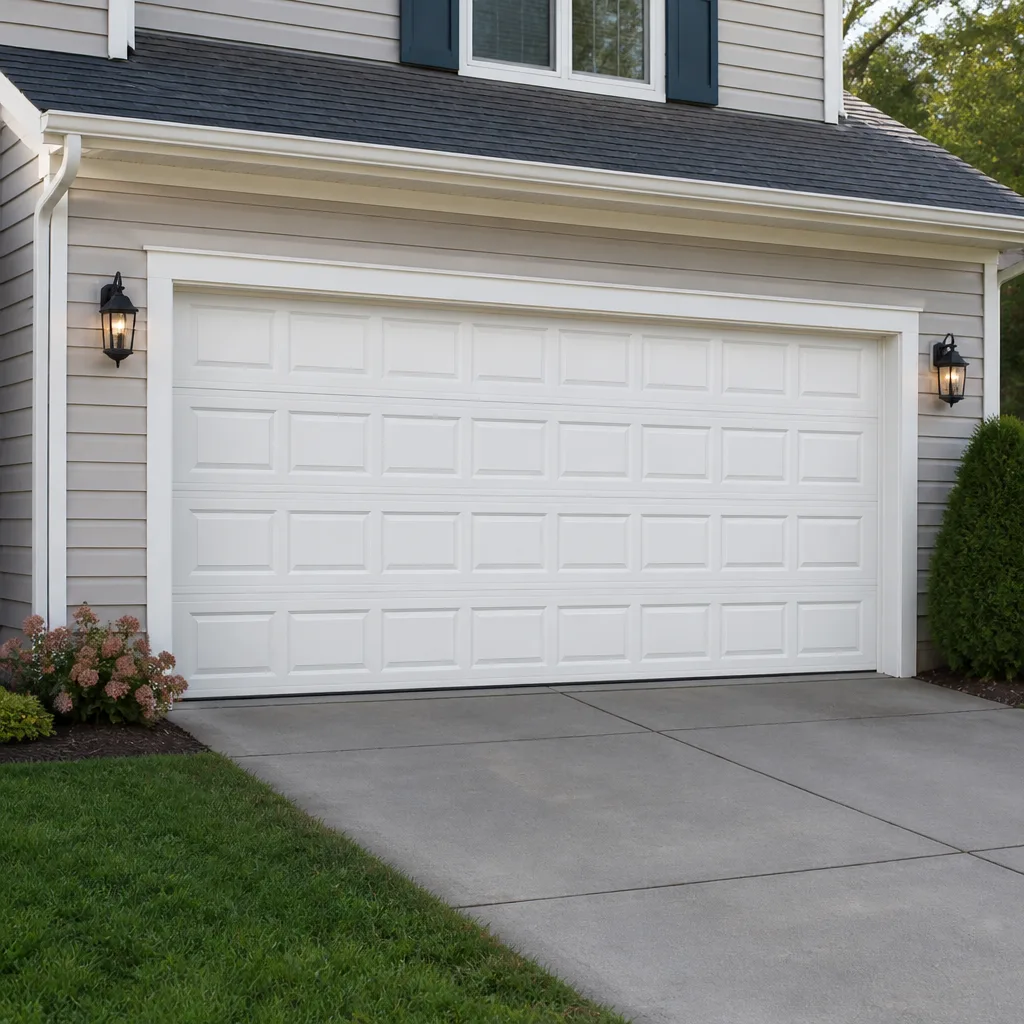 Raised-panel steel
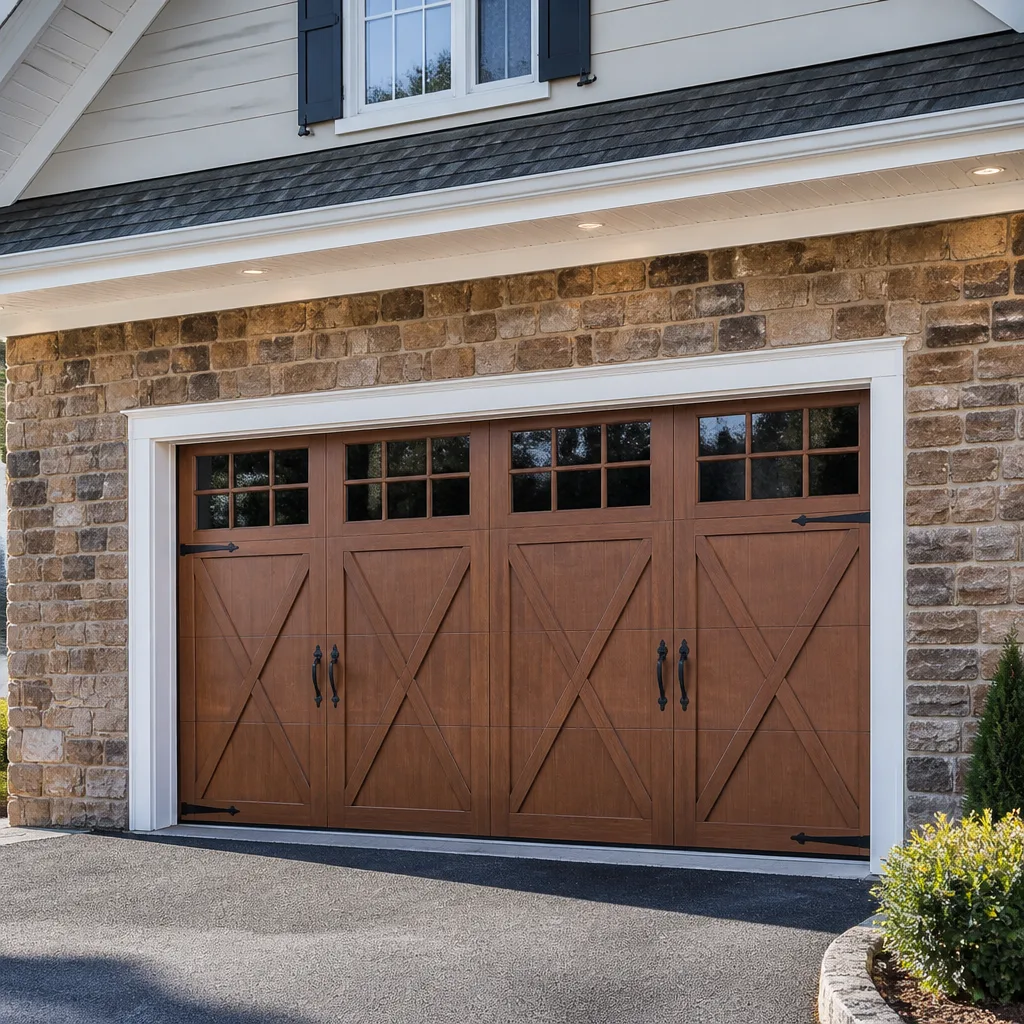 Carriage house
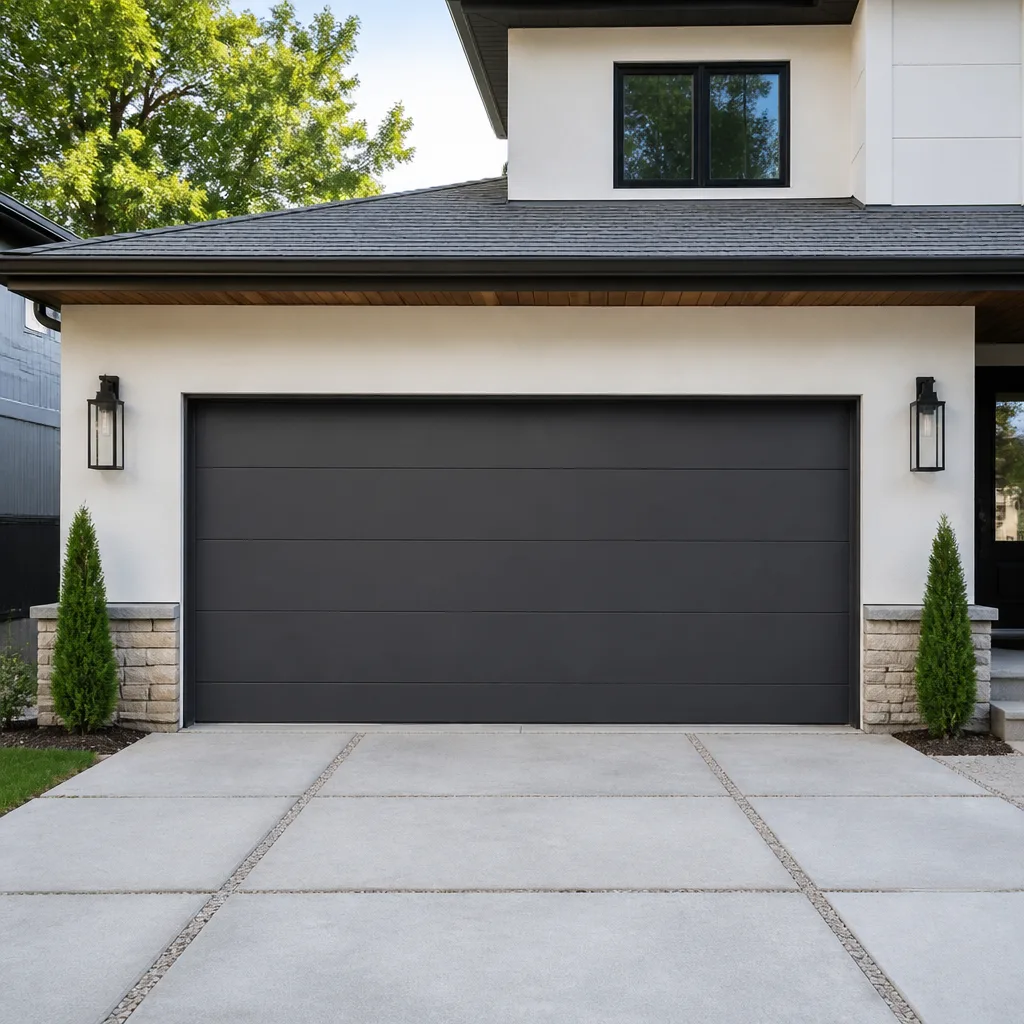 Modern flush
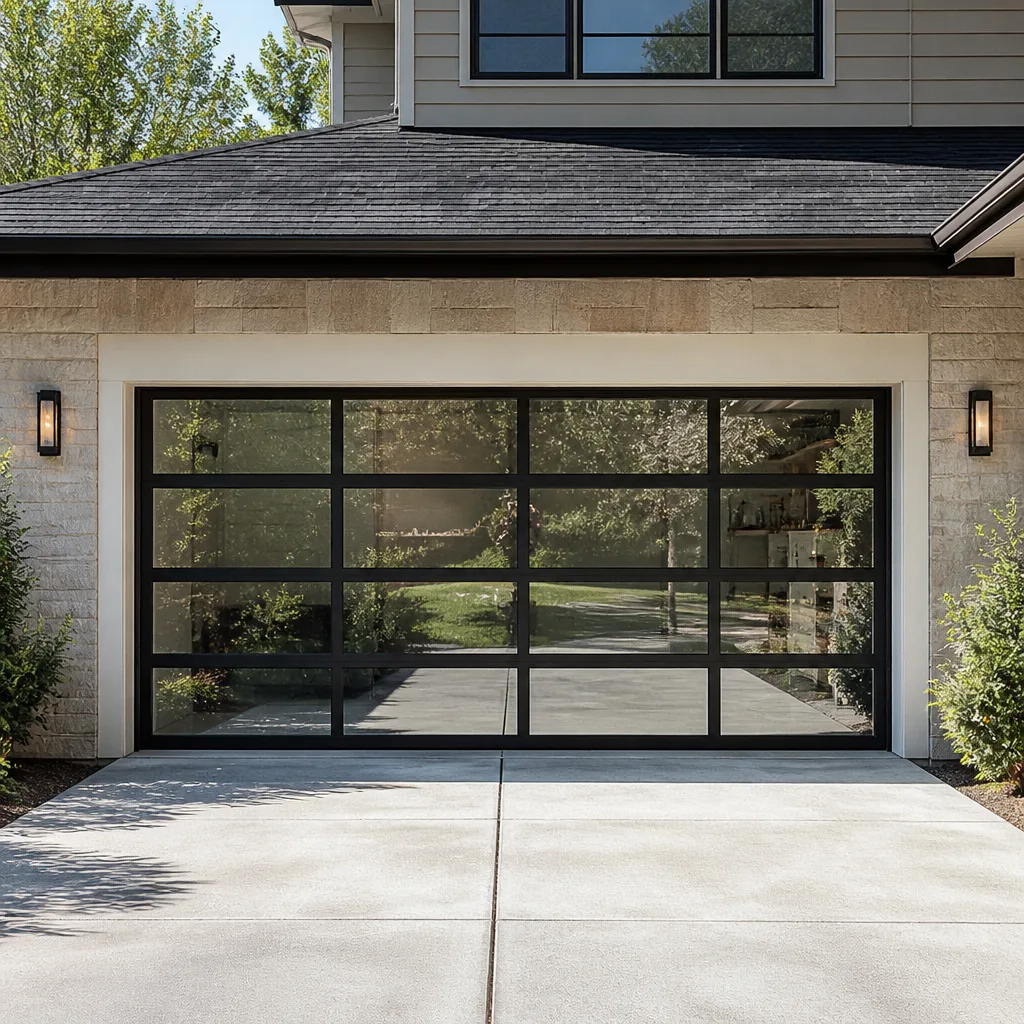 Full-view glass
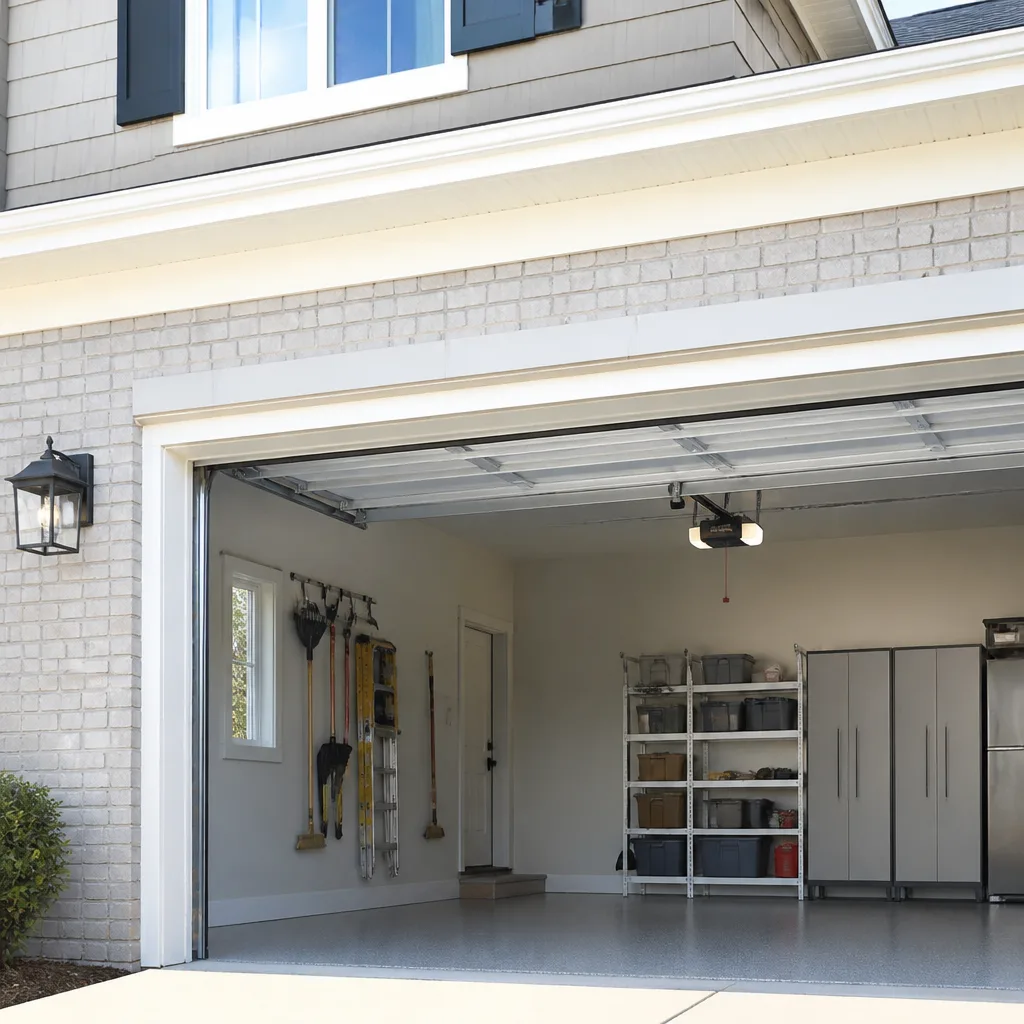 LiftMaster openers
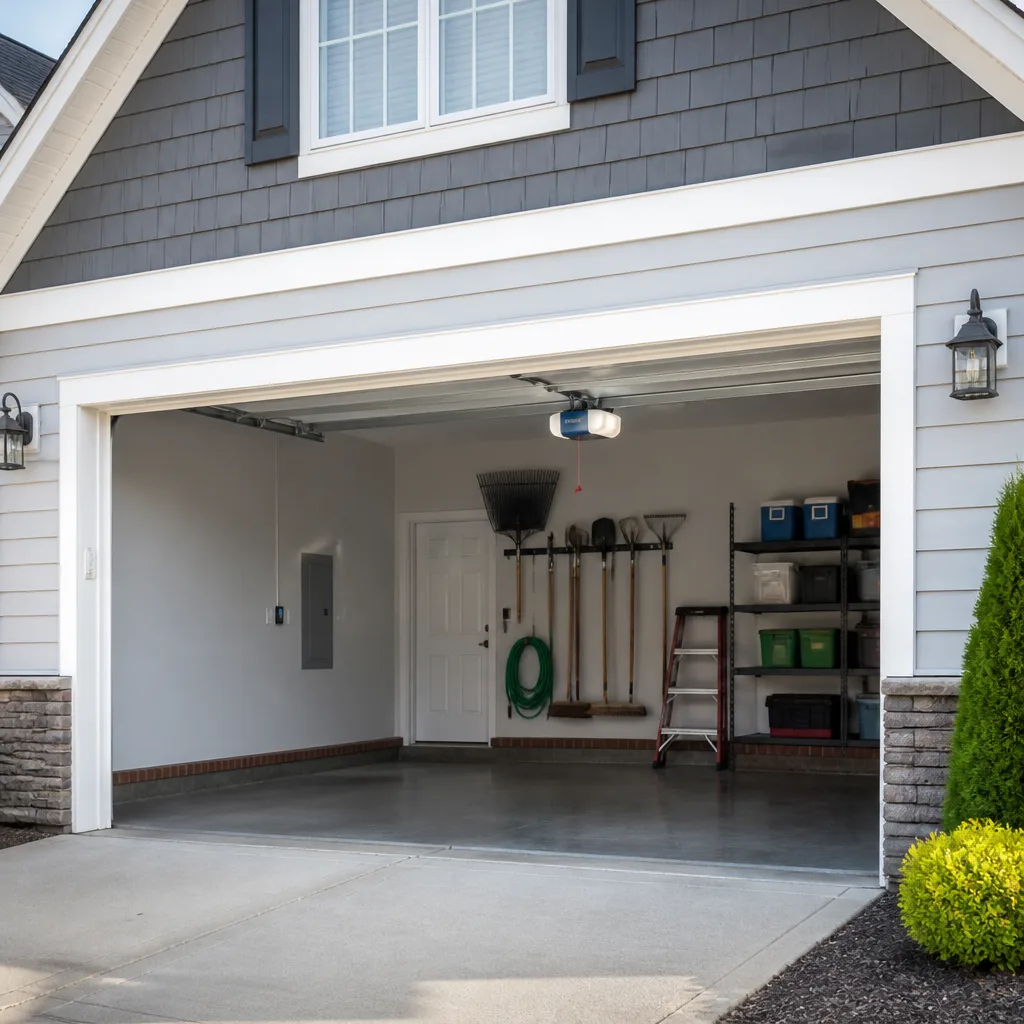 Chamberlain openers
Full 25-point door and opener safety check with every visit - springs, cables, rollers, tracks, and your LiftMaster or Chamberlain opener included
You get a price before we start. It does not change when the pro arrives.
Get your free estimateGarage Door Emergency Preparedness Guide for Plymouth Homes
The failure most Plymouth homeowners fear is a snapped spring. The failure that actually traps people is far quieter: a dead opener they never learned to release by hand. When the power drops, a torsion spring lets go, or an arm bends in a hard wind, your door becomes a wall between you and the road, the school run, and the storm shelter. Most homes around Medicine Lake, Parkers Creek, and the older blocks near downtown have no plan for those two scenarios, and that gap is what turns a small repair into a stuck morning. This guide walks through manual release for the openers installed across Plymouth, what to do when a spring breaks with the door down, how to handle outages and high wind, and how to build a contact-and-parts plan before anything fails.
Quick Answer
If your garage door won’t open in an emergency, pull the manual release cord on your opener, lift the door by hand, and prop or lock it before you drive away. If a torsion spring has broken with the door down, do not force it up; call for professional garage door spring repair, because a loaded torsion system can cause serious injury. For outages, use your opener’s battery backup if it has one, or release the door and operate it manually. The safest preparedness step is a short written plan: know your opener type, know how to release it, and have a technician’s number ready before the wind picks up.
Styles & brands we work with
- Raised-panel steel
- Carriage house
- Modern flush
- Full-view glass
- LiftMaster openers
- Chamberlain openers
Table of Contents
- How do you manually release a garage door opener?
- What should you do when a torsion spring breaks with the door down?
- What’s the right protocol during a power outage?
- How do you prepare a Plymouth door for tornado and high-wind season?
- How do you build an emergency contact and parts-access plan?
- Which warning signs mean a failure is coming?
- Does your opener’s brand affect emergency service?
How do you manually release a garage door opener?
The manual release is the single most important thing to learn, and it’s the step most homeowners have never practiced. Every automatic opener has a release mechanism that disconnects the door from the rail so you can lift it by hand. The catch is that the mechanism looks slightly different depending on which opener was installed. Plymouth homes carry a mixed bag: modern LiftMaster and Chamberlain units with a red release cord, older Craftsman systems from the 1990s and 2000s, and legacy Raynor openers in some of the established neighborhoods.
Here’s the general process. It’s a “what to check” walkthrough, not a set of DIY repair steps – practice it on a calm day while the door and spring are sound, and stop if anything feels heavy or binding.
- Make sure the door is fully closed and the opener is off or unplugged if you’re just practicing. Never release a door that is partway up, because it can drop.
- Locate the release cord or lever hanging from the trolley on the rail. On most modern openers it’s a red handle on a cord; on some older units it’s a lever near the carriage.
- Pull the cord firmly toward the door (or pull the lever, depending on the model) to disengage the trolley from the rail. You should feel the door disconnect.
- Lift the door slowly by hand using the bottom section or a handle. A properly balanced door lifts with steady pressure and stays put when you let go.
- To re-engage, close the door fully, then run the opener once so the trolley reconnects. Test it before you rely on it.
Two models give people trouble. A LiftMaster or Chamberlain with a wall-mounted jackshaft opener releases differently from a ceiling unit, and some newer openers use a lock-out feature that needs the wall control reset. If you’re not sure which type you have, take a photo of the opener’s label now, while everything works, and keep it with your emergency plan. When a door won’t move and you need hands on it fast, garage door opener repair is the call.
What should you do when a torsion spring breaks with the door down?
This is the scenario that stops people cold, and it deserves a straight answer. When a torsion spring snaps with the door already down, the door is too heavy to lift safely by hand, and forcing it up can bend panels, break hinges, and put you under a loaded spring that is now uncontrolled. A torsion spring carries enormous stored force. The safe move is to leave the door down and call a professional.
Here’s what a broken-spring situation typically looks like in a Plymouth home:
- You hear a sharp bang from the garage, sometimes loud enough to hear inside the house.
- The door won’t lift, or the opener runs but the door barely moves and the motor hums.
- The door may hang crooked, with a visible gap at one side.
- The spring above the door looks separated, with a gap in the coil, or the door feels far heavier than normal.
Safe temporary options are limited, and that’s the honest answer. If your car is trapped inside, you can release the opener and try lifting the door by hand only if it moves with reasonable, even effort and stays up on its own. If it won’t, do not force it. Arrange a ride, and get a technician scheduled. A printed copy of your insurance and registration in the glovebox helps if you need to move the car another way. Spring work is one of the most hazardous repairs in residential service, and it belongs with a trained professional who can match the right spring to your door’s weight. That’s why spring replacement is a named service for us, not a side job. Call (855) 337-1124 to schedule it; estimates are free.
What’s the right protocol during a power outage?
The right protocol depends on whether your opener has a battery backup, and a surprising number of Plymouth homeowners don’t know whether theirs does. Battery-backup openers, common in newer LiftMaster and Chamberlain myQ systems, keep the door working for a short period after the power drops, often enough to get a car out. If yours has one, test it now – most units have a test button – so you know the backup actually holds a charge.
If you don’t have battery backup, you operate the door by hand:
- Release the opener using the manual release (see the previous section).
- Lift the door by hand, and lower it carefully once the car is out.
- Re-engage the opener when power returns by running it once while the door is fully closed.
- Test the door a few times after the outage to confirm the travel limits and safety reverse still work.
What you should not do is force a door that won’t move. Forcing a door that’s still connected to a dead opener can strip the gear, bend the rail, or damage the motor, turning a short outage into a real repair. During a winter outage in Plymouth, a door that won’t budge often means the opener is still engaged – release it first, then lift. If the door still won’t move by hand after release, something mechanical is wrong and it’s time to call. We answer 24/7. A call outside dispatch hours is booked into the next opening, Sunday through Friday, 7am to 7pm.
How do you prepare a Plymouth door for tornado and high-wind season?
Plymouth sits in a stretch of Minnesota where severe summer thunderstorms and tornadic activity are a real seasonal concern, and the garage door is often the largest opening on the house. A wind-rated door is built and tested to resist uplift and pressure far better than a standard door, and its rating tells you how much force it can handle. If you’re replacing a door, look at the wind rating as a spec, not a marketing line. If you’re keeping an aging door, the prep is about securing what you have.
What actually helps before a high-wind event:
- Check that the door closes fully and evenly against the floor and frame, with no visible gaps at the sides.
- Confirm the safety reverse works – place a roll of paper towels under the door and make sure it reverses on contact.
- Look at hinges, rollers, and the bottom seal for wear that lets wind-driven rain and pressure in.
- If you have a manual lock or a set of heavy-duty reinforcement struts available for your door type, know how they work before the weather turns.
The honest limit is this: if a door is already sagging, off-track, or running rough, no amount of prep will make it wind-ready. That’s a job for a specialist. A rough door can also come off its track in a strong gust, which is its own emergency. If your door is showing those signs, get it looked at during the calm stretch rather than after the storm.
How do you build an emergency contact and parts-access plan?
The most useful thing you can do this week is write a one-page plan and tape it inside the garage. It costs nothing and it turns a panic into a five-minute call. Most people who get stranded simply don’t have the information in one place when the door fails.
Here’s what the plan should include:
- Opener make and model, plus a photo of the label inside the motor housing. This tells a technician exactly what they’re walking into.
- Door type and brand if you know it – for example, whether it’s a Clopay, Amarr, or Wayne Dalton panel door, or an older model of unknown origin.
- Release method for your specific opener, in one sentence, so anyone in the house can do it.
- Whether you have battery backup, and how to test it.
- The service number and hours: we answer 24/7, with fast dispatch from 7am to 7pm, Sunday through Friday.
- Two fallback names – a neighbor or family member who can give you a ride if your car is blocked.
Parts access is the other half. When a door fails, the fix often needs a specific spring, bracket, or opener part, and having your model information ready means the right part is sourced faster. It also means the technician isn’t guessing. If you own a LiftMaster or Chamberlain, their model numbers are easy to read from the label. For Craftsman and Raynor systems, the model is usually on the inside of the opener housing. Write it down now. Store the plan in a drawer or on the wall, not in your phone, because the phone might be the thing you’re scrambling for.
Which warning signs mean a failure is coming?
Most garage door failures announce themselves before they happen. In our experience across Plymouth, the homeowners who avoid the worst emergencies are the ones who notice the small changes and act before a spring lets go or a door comes off track. A door that has been reliable for years can still give you a warning in its last month.
- Loud popping or banging when the door opens or closes. This can be a dry or failing spring, or loose hardware.
- The door feels heavier than usual when you lift it by hand. A balanced door should lift easily.
- Slow starts or a motor that strains. This can point to a failing opener, a worn spring, or a binding track.
- A door that reverses on its own or stops partway. That’s a safety-system problem, not a convenience one.
- Visible gaps, a sagging top section, or a crooked hang. These are structural warning signs and can mean the door is at risk in wind.
- Grinding or squealing from rollers, hinges, or the opener rail.
One more: a torsion spring that looks stretched or has a visible gap in the coil is often past its working life even if it still moves the door. Springs are rated in cycles, not years, and a door that runs several times a day wears them faster. If any of these signs show up, schedule a look during the calm stretch. It’s far cheaper than an emergency. A regular garage door repair visit catches most of this before it strands you.
Does your opener’s brand affect emergency service?
Yes, and more than most people expect. The brand of your opener and door determines which parts fit, which controls are compatible, and how the manual release works. That’s why brand matters in an emergency: a technician who works across the major brands can diagnose your system quickly instead of guessing.
We service all eight major garage door brands – LiftMaster, Chamberlain, Genie, Clopay, Amarr, Wayne Dalton, Craftsman, and Raynor – so the odds are good that we’ve worked on your exact system. Modern smart openers from LiftMaster and the Chamberlain myQ ecosystem have their own quirks, from Wi-Fi lock-out behavior to battery-backup testing. Legacy systems like Craftsman and Genie need a different approach. Brand-specific expertise saves time, and in an emergency, time is the whole game. If you’re in Plymouth and unsure what you have, a photo of the label and a call gets you pointed the right direction. Plymouth Garage Door Repair Pros works on your brand, and when your door won’t move, we do.
Common Mistakes to Avoid
- Never testing the manual release. Most people discover how their release works during the outage, not before it. Practice it on a calm day while the door is sound.
- Forcing a door that won’t move. If the door won’t lift after release, something mechanical is wrong. Forcing it bends panels and turns a spring repair into a door replacement.
- Assuming the opener will be there when the power isn’t. Without battery backup, your opener does nothing in an outage. Know which you have before the first winter storm.
- Fixing a broken spring themselves. Torsion springs are under enormous load and cause serious injuries. This is a trained-professional job, and treating it like a DIY task is the single most dangerous mistake on this list.
- Ignoring a door that hangs crooked. A crooked door is off-balance and can come off its track in wind. It’s a warning, not a cosmetic issue.
- Not writing down model numbers. Plymouth’s mix of older homes and newer builds means a huge range of openers and door types. A photo of the label saves time when you call.
- Waiting for a total failure. A door that pops, strains, or reverses is giving you time to act. Use it.
See the difference
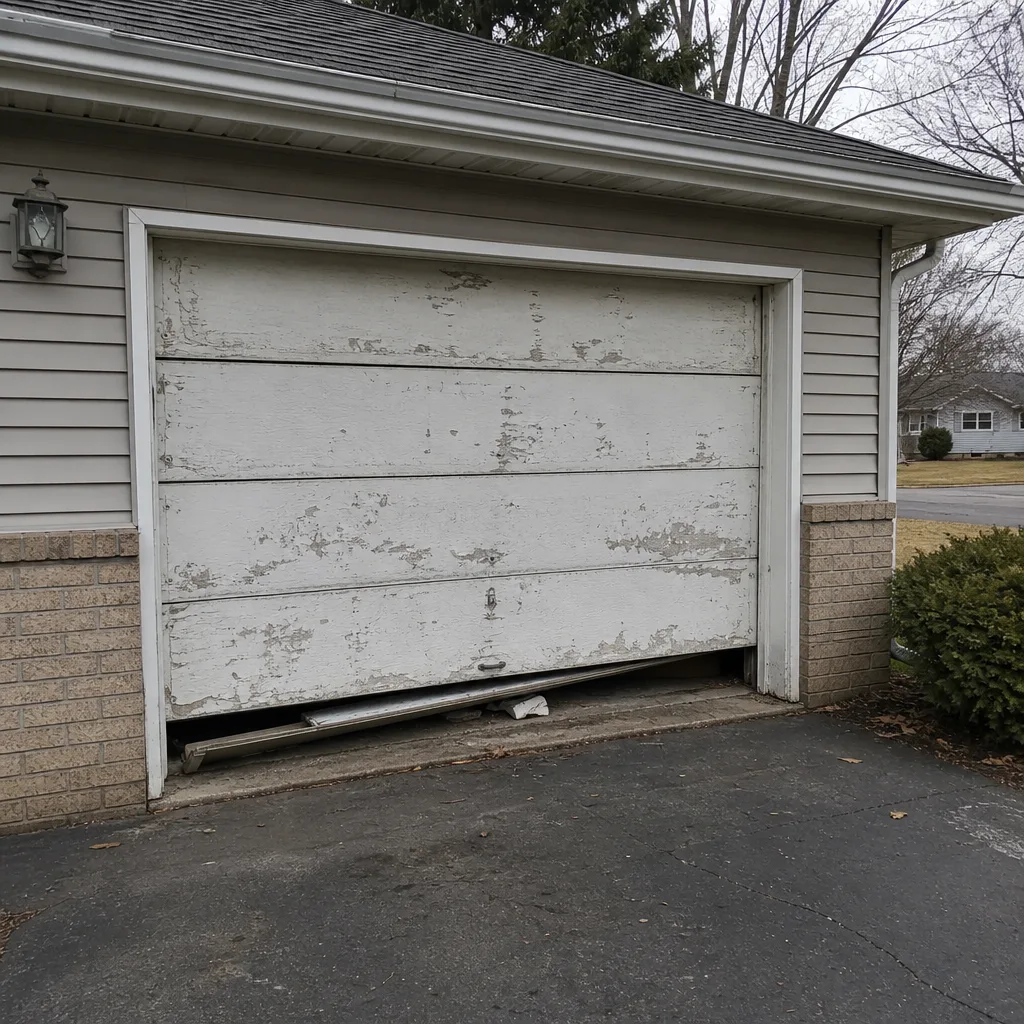 Before
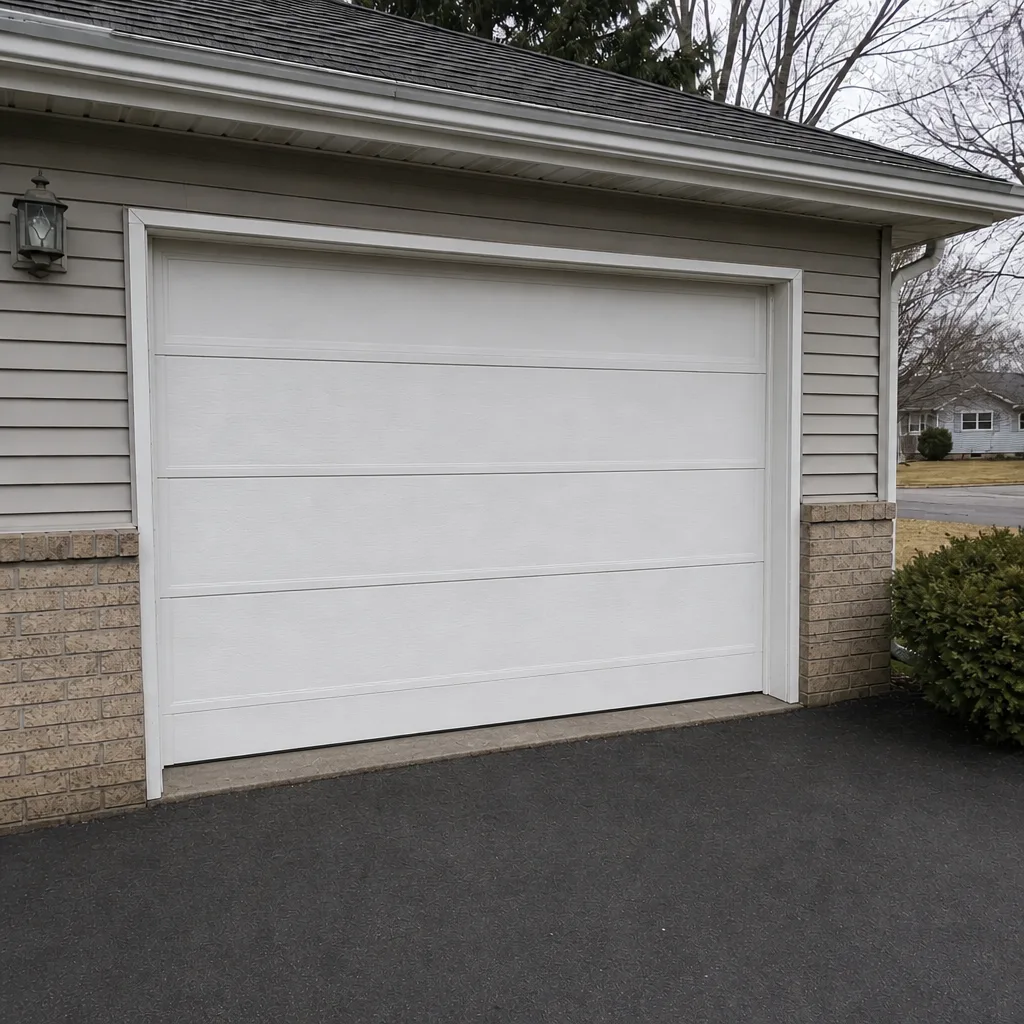 After
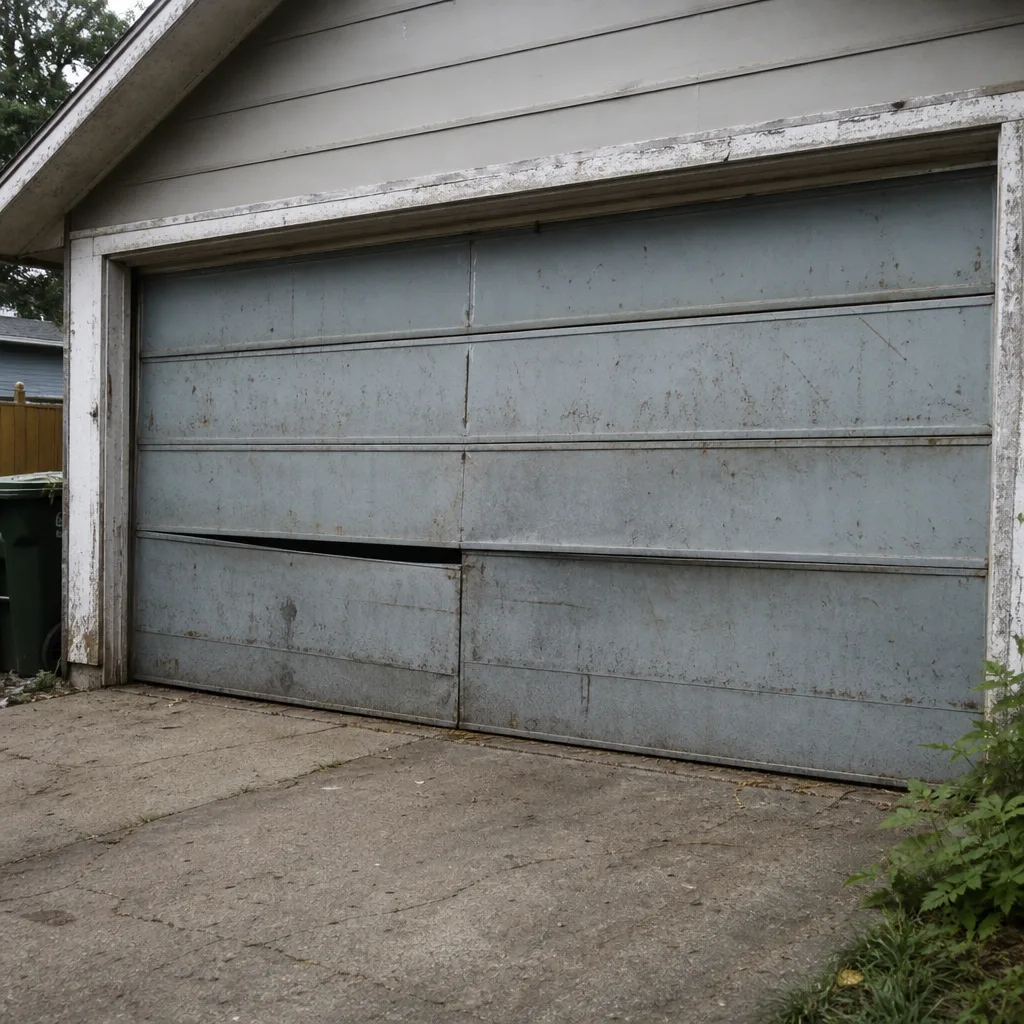 Before
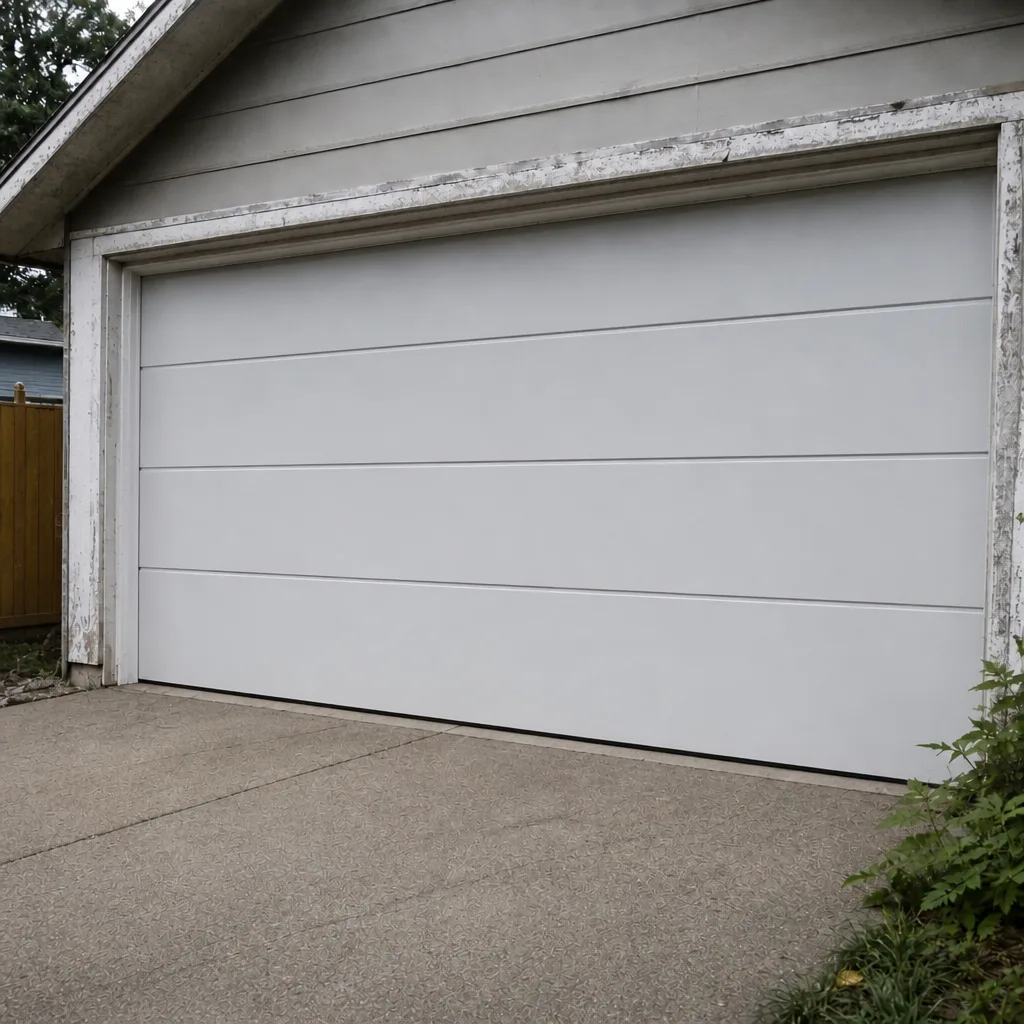 After
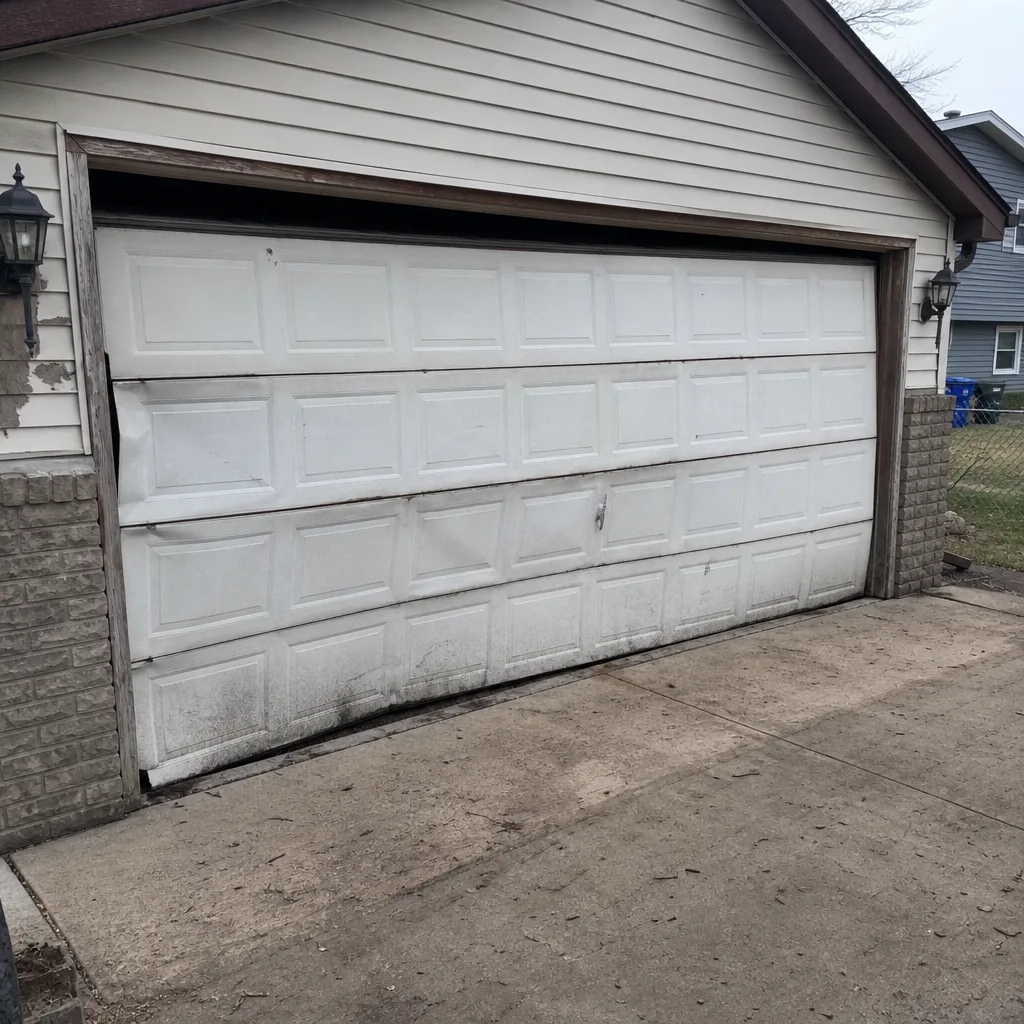 Before
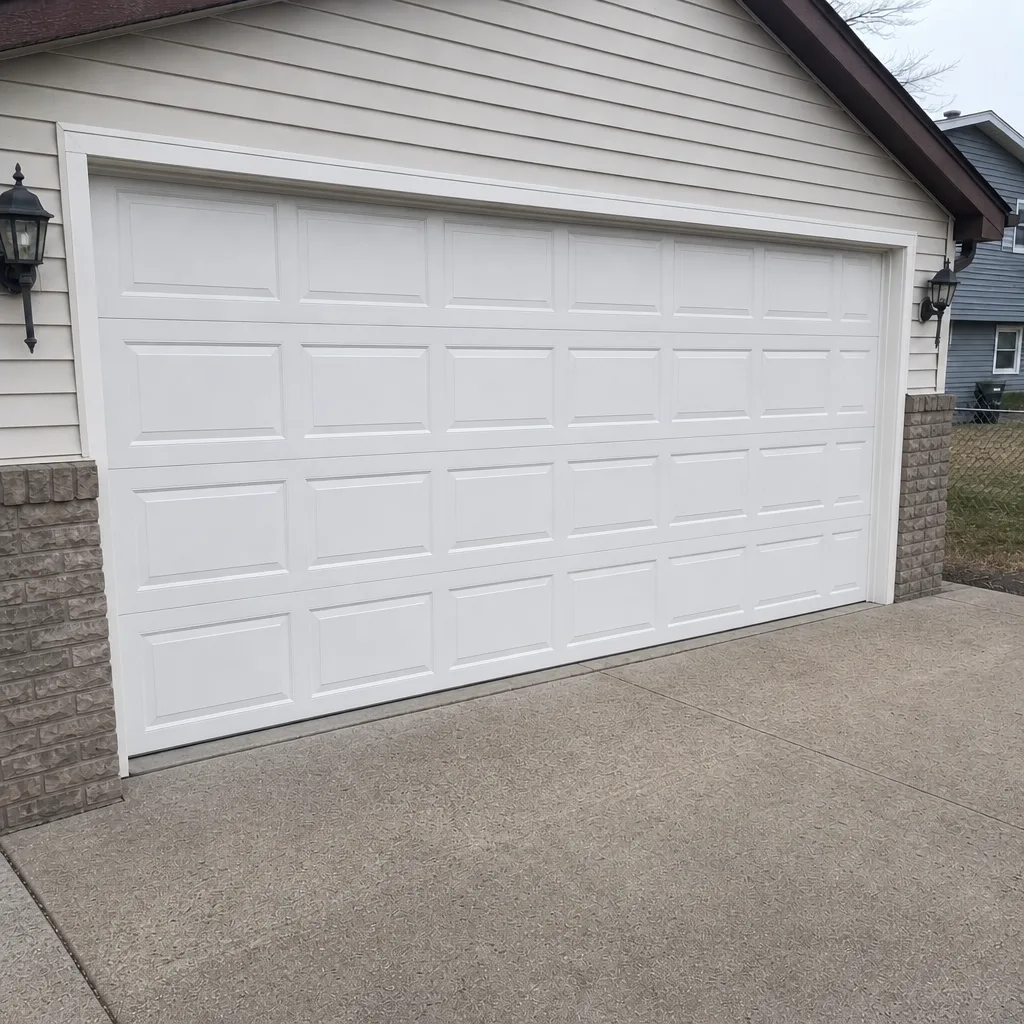 After
When to Call a Professional
Call a professional when a spring has broken, when the door won’t lift by hand after you’ve released it, when the door hangs crooked or comes off its track, or when the opener runs but the door doesn’t move. Also call if the safety reverse fails, if you smell burning from the opener motor, or if a door is damaged in a storm. These are the situations where a trained technician with the right parts makes the difference between a quick fix and a bigger problem. We recommend keeping our number in your garage plan. Plymouth Garage Door Repair Pros offers free estimates in Plymouth – call (855) 337-1124. We answer 24/7. Fast dispatch from 7am to 7pm, Sunday through Friday.
Frequently Asked Questions
Release the door from the opener using the manual release cord or lever, then lift it by hand. If you have a battery-backup opener, test the backup first, since it may get the door up on its own. If the door won’t lift after release, don’t force it; call (855) 337-1124.
Leave the door down and call a professional. A broken torsion spring makes the door too heavy to lift safely by hand, and forcing it can bend panels and put you under a loaded spring. If the door lifts with even effort after release, you can move the car, but don’t force it otherwise. Call (855) 337-1124 to schedule spring repair; estimates are free.
The opener likely lost its travel settings or the safety reverse needs a reset. Re-engage the opener by running it once with the door fully closed, then test the door a few times. If the opener still won’t respond, it may have a control-board problem; call (855) 337-1124 for opener repair.
Check that the door closes fully and evenly, test the safety reverse, and look for sagging or off-track signs before the season starts. If you’re replacing a door, choose one with a wind rating that fits your exposure. If the door is already rough, get it serviced during the calm stretch. Call (855) 337-1124 for a free estimate.
We service all eight major brands: LiftMaster, Chamberlain, Genie, Clopay, Amarr, Wayne Dalton, Craftsman, and Raynor. That covers virtually any opener or door on a Plymouth home. Call (855) 337-1124 and we’ll confirm what you have.
Keep a one-page plan taped in the garage with your opener’s make and model, your door type, your manual release method, whether you have battery backup, and our number. That information speeds up the fix and avoids guesswork. Call (855) 337-1124 for a free estimate.
The Bottom Line
A garage door emergency is rarely about the spring. It’s about the plan you didn’t have when the spring broke. Plymouth’s winters, storms, and outages turn a small mechanical failure into a stranded morning, and the homes that recover fastest are the ones where someone already knows how to release the door, whether the opener has battery backup, and who to call. Learn the manual release, write down your model numbers, test the safety reverse, and keep our number in the garage. From a broken spring to a brand-new door, one call covers it all. That’s the whole preparedness guide on one page. For a free estimate, call (855) 337-1124. We answer 24/7. Fast dispatch from 7am to 7pm, Sunday through Friday.
Written by the team at Plymouth Garage Door Repair Pros.