
Last updated November 21, 2026
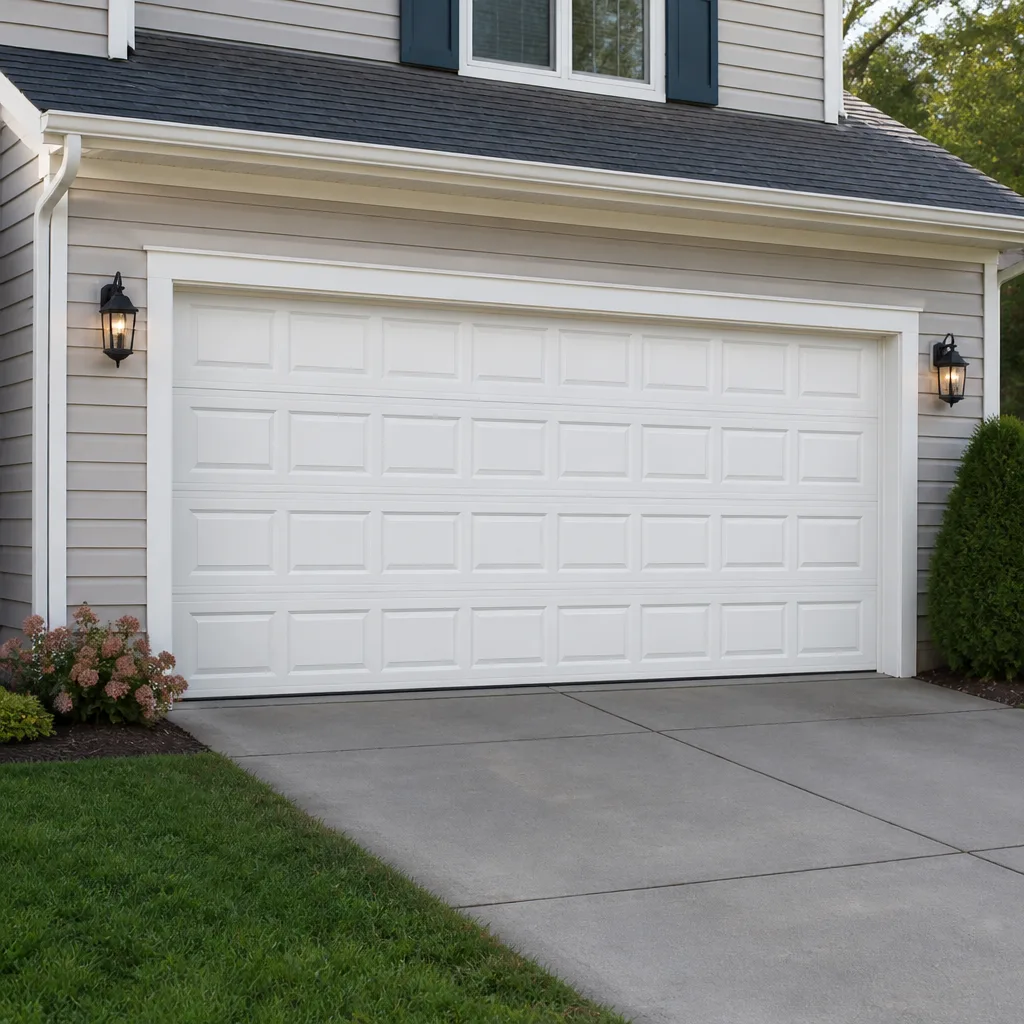 Raised-panel steel
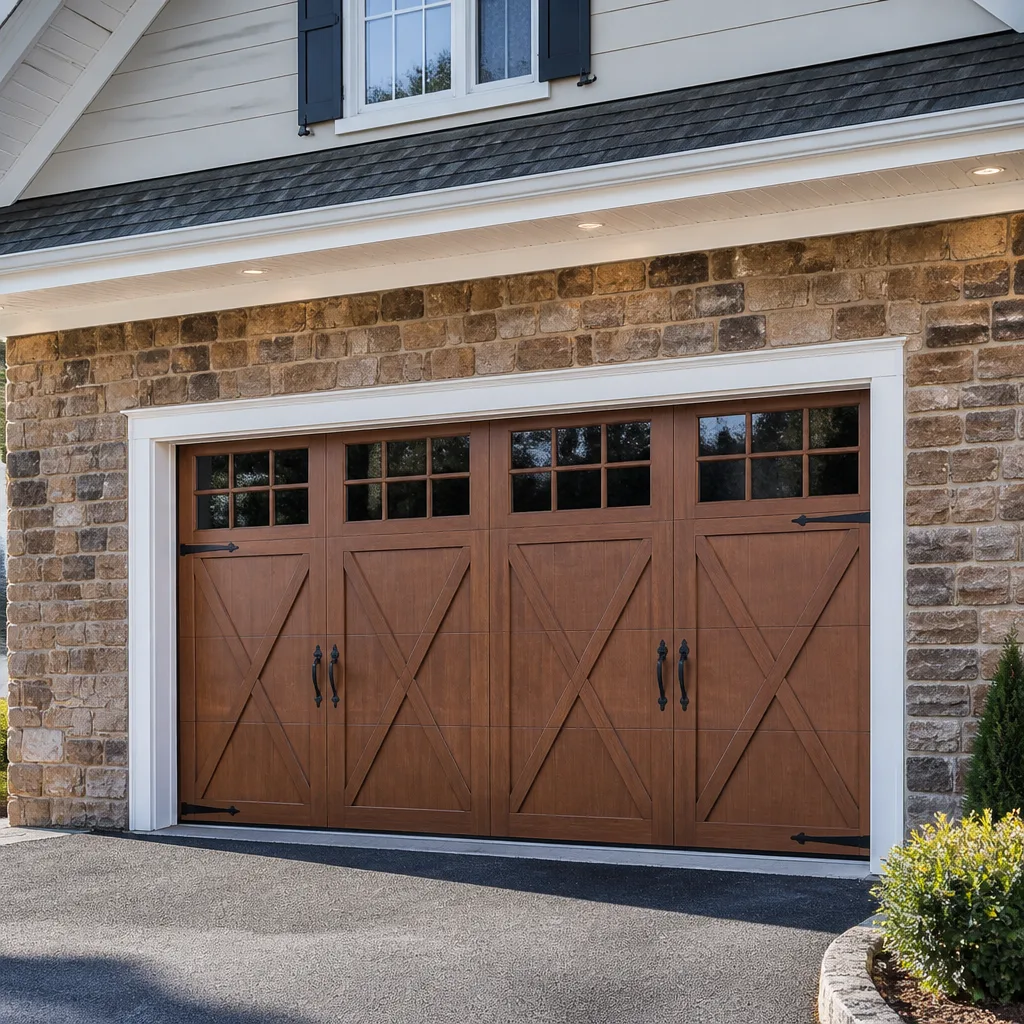 Carriage house
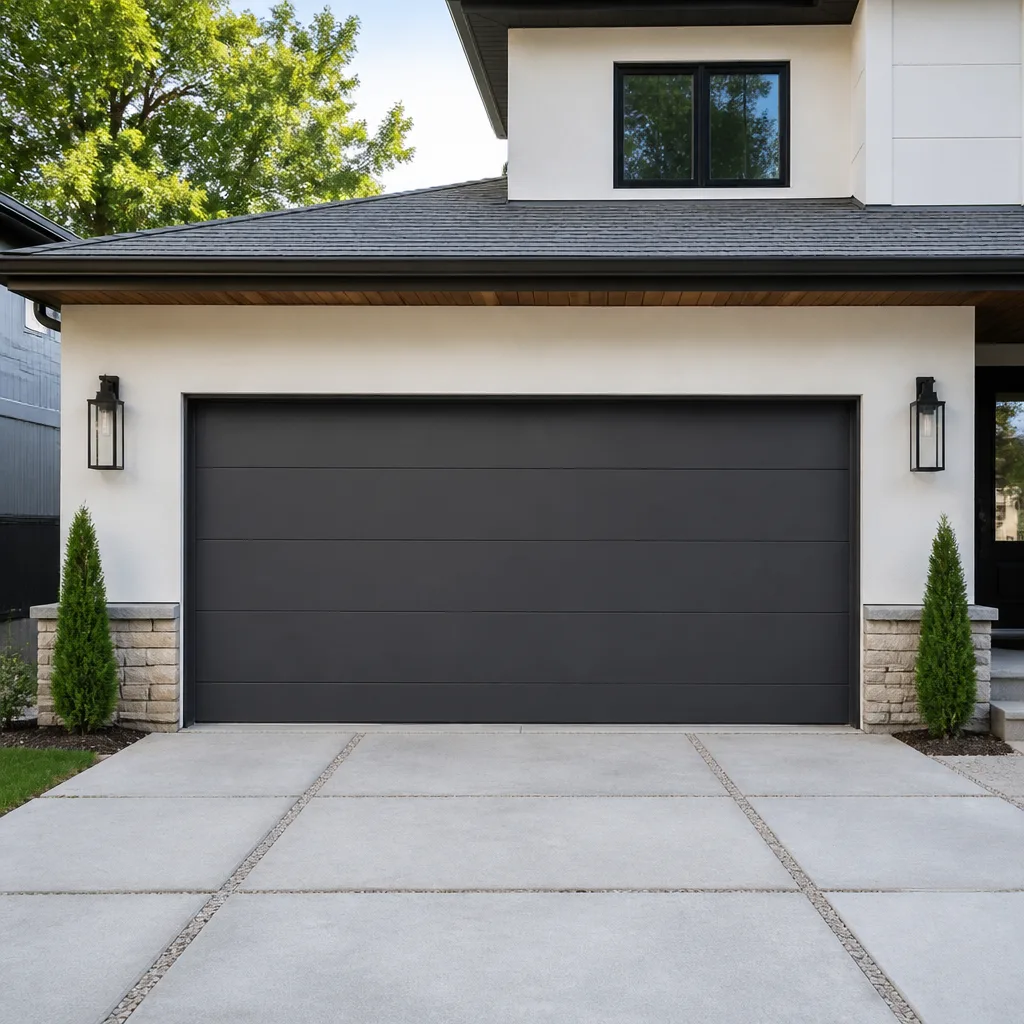 Modern flush
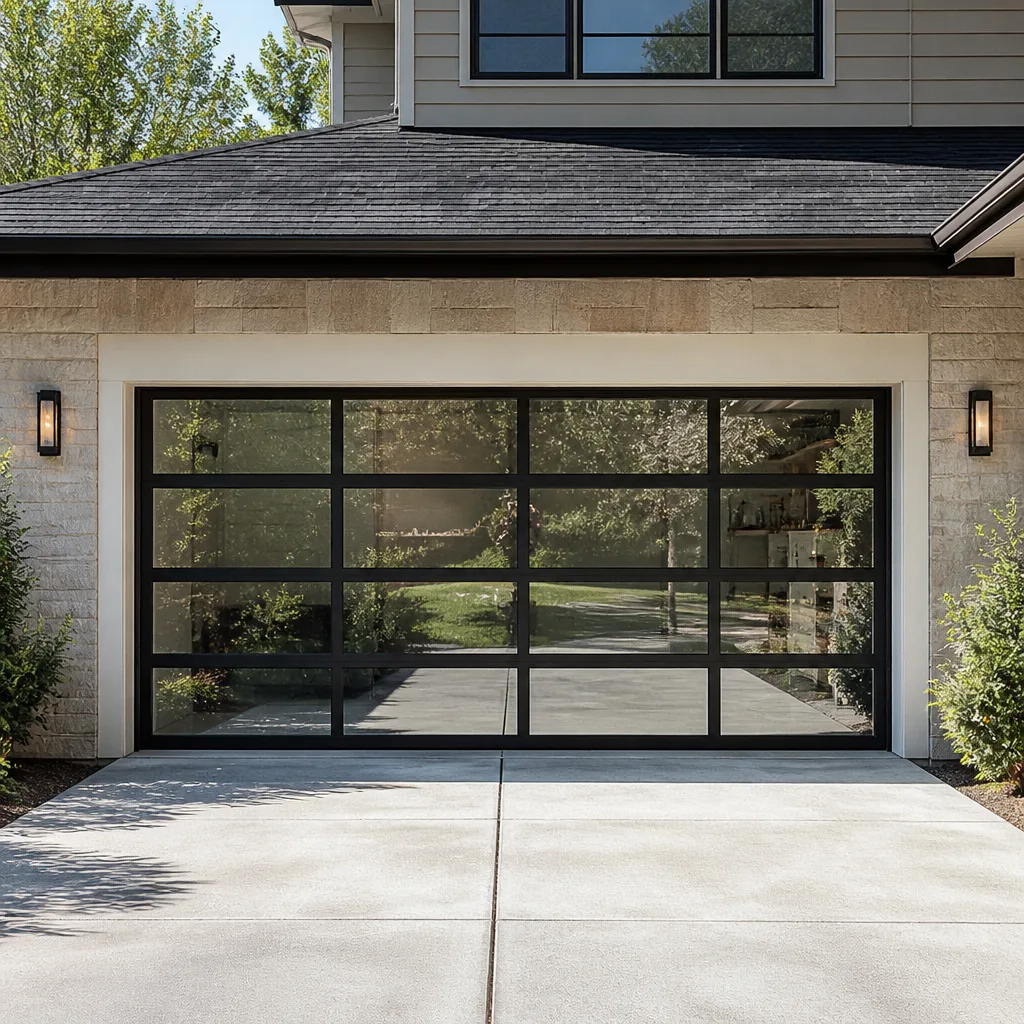 Full-view glass
 LiftMaster openers
 Chamberlain openers
Full 25-point door and opener safety check with every visit - springs, cables, rollers, tracks, and your LiftMaster or Chamberlain opener included
You get a price before we start. It does not change when the pro arrives.
Get your free estimateSeasonal Garage Door Care for Plymouth: Year-Round Homeowner’s Guide
Here’s a fact that surprises most Plymouth homeowners: winter isn’t the hardest season on your garage door. Spring is. The rapid freeze-thaw cycling that hits the Twin Cities metro in March and April does more damage to springs and bottom seals than any February cold snap, because water gets into gaps, freezes, expands, and then melts and refreezes within the same week. A door that survived January without a squeak can start binding in April. This guide walks through what actually fails in Plymouth’s climate, when to lubricate and when to inspect, and how to build a maintenance calendar around two distinct threat seasons instead of a generic Midwest template.
Quick Answer
Plymouth garage doors face two separate failure seasons: deep winter freeze, which stresses springs, rollers, and opener force settings, and spring thaw, which attacks bottom seals, weatherstripping, and hardware fasteners through repeated freeze-thaw cycling. The core maintenance routine is lubrication in October before the first hard freeze, a visual inspection of seals and springs in late March after thaw begins, and a torsion spring tension check in June and September as summer heat and fall temperature swings move the calibration.
Styles & brands we work with
- Raised-panel steel
- Carriage house
- Modern flush
- Full-view glass
- LiftMaster openers
- Chamberlain openers
Table of Contents
- Why Plymouth Doors Fail Differently
- Fall Prep: The October Window That Determines Winter Survival
- Winter: What Freeze Does to Springs and Openers
- Spring Thaw: The Highest-Failure Season and What to Inspect First
- Summer Heat and Torsion Spring Tension Drift
- Month-by-Month Maintenance Calendar for Plymouth
- Common Mistakes to Avoid
- When to Call a Professional
Why Plymouth Doors Fail Differently
Plymouth sits in a climate band where the swing between a February low and an April high can exceed 100 degrees Fahrenheit across a few weeks. That temperature range is what drives the maintenance model in this guide. Metal contracts in cold and expands in heat. Springs are made of tempered steel that does the same, and the tension a torsion spring holds at 10 degrees is not the tension it holds at 85 degrees. Seals are rubber and vinyl, both of which harden and stiffen below freezing and soften and lose shape in summer heat. The door itself, whether steel, wood, or composite, expands and contracts along its width. All of this happens to a system designed around a fairly narrow operating tolerance.
Most national maintenance advice doesn’t account for that swing, because most of it is written for a national average. A Plymouth door needs a schedule built around two compression points, not one. Fall prep protects against the freeze. Spring inspection catches what the freeze left behind. Summer calibration keeps the system from drifting out of balance as heat expands the spring, and fall checks again before the cycle starts over. Neighborhoods on the north and west sides of Plymouth, where shade holds longer and snow lingers on driveways, tend to see seal and bottom-weatherstripping wear first because melt water sits against the door longer before draining.
The good news is that seasonal garage door maintenance in Plymouth is mostly inspection and small adjustments. The tasks are simple, the timing is what matters, and the timing is specific to this climate.
Fall Prep: The October Window That Determines Winter Survival
Fall prep is about one thing: getting lubricant into the moving parts before the cold locks them down, and getting seals seated before water has a chance to freeze behind them. The window matters. Lubricant applied in October has weeks to work into rollers, hinges, and the torsion bar bearings before the first hard freeze. The same lubricant applied in January sits on the surface, because cold thickens it before it can penetrate. Timing is not a nice-to-have here; it decides whether the fall prep actually does anything.
We’ve seen the difference between doors lubricated in October and doors lubricated after the first freeze, and it shows up in January as sticking rollers, stiff hinges, and an opener that has to work harder to lift the same panel weight. Here’s the fall checklist, in order:
- Lubricate rollers, hinges, and the torsion bar bearings with a garage-door-rated lubricant. Not WD-40, which is a solvent, not a lubricant. A lithium or silicone-based product designed for garage door hardware is what holds up to cold.
- Inspect and reseat the bottom weather seal. Look for cracks, flattening, or gaps at the corners. A seal that fails in fall lets melt water freeze behind it in winter.
- Test the door balance. Disconnect the opener and lift the door by hand to the halfway point. It should hold there with minimal effort. If it drifts up or down, the spring tension is off and needs a technician before winter.
- Check the opener’s force and travel settings. Cold stiffens the door, and an opener set to the minimum force may stall. Confirm it lifts fully and closes flush.
- Clear the tracks and test the safety reverse. A door that fails the reverse test in October is a call worth making before the cold sets in.
- Inspect the springs visually. Look for gaps, rust, or a visible gap in the coil. A spring that’s showing its age in October is the one most likely to fail during the first hard freeze.
If any of these steps turns up a spring with a visible gap, stop there and make a call. Torsion springs are under extreme tension and the failure mode is violent. That’s a trained-professional repair, not a homeowner one. If you need garage door spring repair before the cold arrives, that’s a better October call than a January one.
Winter: What Freeze Does to Springs and Openers
Freeze doesn’t break things. It makes the things that were already marginal fail. That’s the honest version. A torsion spring at 90 percent of its life in September will often make it through an October and November, then fail in the first stretch below zero. That’s not because cold is stronger than the spring; it’s because the cold increases the tension the spring has to hold while the same spring’s material has become less ductile. The result is the classic phone call we get on the coldest weeks of the Plymouth winter: a door that lifted fine yesterday and won’t move today.
Openers have their own winter problem. The door gets heavier as the cold thickens grease and stiffens seals, and the opener’s force setting doesn’t know that. If the opener was set close to its limit in summer, it may trip the safety reverse or stall in cold. A door that reverses immediately after hitting the floor on a cold morning is usually a force-setting issue, not a broken opener.
What to watch for in winter:
- A loud bang from the garage followed by a door that won’t lift: that’s the sound of a torsion spring breaking. Do not try to lift the door or reattach the spring. Call for service.
- The door reverses on closing on cold mornings: check the safety sensors first, then the force setting. If neither explains it, the spring may be losing tension.
- Ice at the bottom seal: clear it before running the opener. Forcing a frozen seal can damage the bottom panel and the seal itself.
- Slow or labored lifting that wasn’t there in fall: the door has gotten harder to move. That’s a spring, roller, or hinge issue, and it’s cheaper to diagnose in January than in March.
If a spring breaks mid-winter, don’t wait for spring. A door held up by one spring is running one side of the system out of balance, and the opener is working against that every cycle. When your door won’t move, we do. Call for garage door repair the same day, and we’ll tell you straight whether it’s a spring, a cable, or the opener.
Spring Thaw: The Highest-Failure Season and What to Inspect First
Spring is the highest-failure season for Plymouth garage doors, and freeze-thaw cycling is the reason. Water gets into the smallest gap it can find (the bottom seal, a hinge, a track bolt), freezes overnight, expands, and then melts the next day, leaving the gap slightly wider than it was. Repeat that cycle for six weeks and small gaps become big ones. Seals crack and detach. Hinges work loose. Track fasteners back out. And the springs, which spent winter at elevated tension, come back into milder temperatures and either hold or let go based on how much of their life was left in the fall.
After the last hard freeze, work through this order:
- Bottom seal and weatherstripping first. Check for cracking, separation from the door, or gaps at the sides. The bottom seal is the most common thaw casualty in Plymouth because it sits in the melt path.
- Track fasteners and hinge bolts. Every bolt that worked loose over winter is now the source of a rattle or a bind. Tighten anything that moves.
- Rollers. Inspect each roller for flat spots and uneven wear. A roller with a flat spot will rattle in warm weather and get worse in the next cold.
- Spring tension and balance. Re-run the balance test you ran in fall. If the door has drifted, the spring is telling you something. Spring adjustment is a trained-professional task.
- Opener operation. Recheck the force and travel settings. A door that got slightly heavier over winter may need a re-set force.
- Safety reverse and photo-eye sensors. Test both. A door that fails reverse should not be used until it’s fixed.
We’ve seen enough spring failures to say this plainly: a spring that’s still intact after a Plymouth freeze-thaw season is a spring you should look at twice. If it has more than a few thousand cycles on it, or if it shows a gap, it’s a candidate for replacement before summer heat adds the next round of stress. That’s a garage door spring repair call, not a wait-and-see.
Summer Heat and Torsion Spring Tension Drift
Summer heat expands the torsion spring. That’s the whole mechanism, but the effect matters: a spring calibrated to balance a door at 60 degrees is over-tensioned when the same door sits at 90. You won’t usually notice on a single day. What you’ll notice is a door that sits slightly higher at rest, closes with less authority, or needs the opener to pull it down the last few inches rather than letting it settle. That’s drift, and it shows up in mid-to-late summer in Plymouth when the garage interior is at its hottest.
How to spot torsion spring drift:
- The door doesn’t sit flush on the floor when closed, and the gap has grown over the season.
- The door lifts more easily than it should, or the opener finishes the lift with a stall.
- The door drops slightly faster than normal on the last few inches of closing.
- A visual check shows the spring coils slightly separated (normal) but with asymmetrical spacing (not normal).
Drift is a calibration issue, not a failure. It’s also not a homeowner adjustment. Torsion springs are under enough tension to break bones, and the correct adjustment requires the right winding bars, the correct turns count, and a door disconnected from the opener. We do this on LiftMaster and Chamberlain systems regularly, and the adjustment is the same regardless of the opener: the spring does the work, the opener only lifts.
Summer is also the easiest season to catch a slow opener failure before it becomes a winter one. If you notice the door hesitating, a remote that’s gotten short-range, or a wall button that needs a firmer push, that’s garage door opener repair territory. It’s cheaper in July than it is in January.
Month-by-Month Maintenance Calendar for Plymouth
Here’s the calendar built for Plymouth’s actual climate, not a generic Midwest version. Adjust for the year’s actual weather, but the order is designed around the two failure seasons.
- September: Pre-winter inspection. Check springs, seals, and hardware. Note anything marginal before the cold.
- October: The critical maintenance window. Lubricate rollers, hinges, and torsion bearings. Reseat seals. Test balance, force, travel, and safety reverse. This is the single most important month in the Plymouth calendar.
- November: First cold-weather test. Run the door on the first morning below freezing and listen for changes in sound. Tighten any loose hardware.
- December and January: Monitor only. Listen for the loud bang of a spring failure and watch for cold-morning reverse issues. Don’t lubricate in cold weather; it sits on the surface.
- February: Peak cold. Note any changes in door speed, effort, or sound. If something changes, get it looked at rather than waiting for spring, because spring thaw will finish the job.
- March: First thaw inspection. Bottom seal first, then track fasteners, rollers, and spring tension. This is the second critical month in the Plymouth calendar.
- April: Re-check the bottom seal and any track issues identified in March. The freeze-thaw cycle is still active.
- May: Transition to summer. Re-run the balance test and note whether the door is starting to sit slightly high.
- June: Torsion spring tension check as the garage interior heats up. Note drift symptoms.
- July and August: Monitor for drift, opener hesitation, and seal damage from heat. Adjust the calibration if the door doesn’t sit flush.
That’s ten checks a year, most of them under ten minutes, and two of them (October and March) doing most of the work. If a step ever turns up a broken spring or a door off its tracks, that’s the point to stop and call.
Common Mistakes to Avoid
- Lubricating after the first hard freeze. Cold thickens lubricant before it can penetrate the rollers and hinges. The October window exists because it’s the last month the lubricant can actually work its way in. Wait until spring and you’ve lost the season.
- Using WD-40 as a garage door lubricant. It’s a solvent that displaces water and then evaporates, leaving the parts drier than before. A garage-door-specific lithium or silicone product is what lasts through a Plymouth winter.
- Skipping the March thaw inspection. Most Plymouth homeowners do a fall check and skip spring. But spring is the higher-failure season, because that’s when the freeze-thaw damage actually shows up. Inspecting in October and not in March means you find the problems a season late.
- Forcing a frozen bottom seal. Running the opener against a seal frozen to the slab can damage the bottom panel and the seal. Clear the ice before the door runs.
- Adjusting torsion springs without the right tools. Torsion springs are under extreme tension and the failure mode is violent. This is the one task on this list that isn’t homeowner-safe, regardless of how good the tutorial looked.
- Ignoring a door that lifts slower than it did last season. Slower lift is the earliest sign of a spring near the end of its life, a seized roller, or an opener on its way out. Catching it early is the difference between a tune-up and a failure.
- Assuming the opener is the problem when the door gets heavy. The opener only lifts. If the door is hard to move by hand, the problem is the door, not the motor. Replacing the opener without fixing the cause just wears out the new one faster.
When to Call a Professional
Call for service when any of these are true: the door won’t lift, or lifts unevenly; you hear a loud bang from the garage and the door stops working; the door reverses on closing and the safety sensors aren’t the cause; the bottom seal is separated or the door doesn’t sit flush; the torsion spring shows a visible gap, rust, or asymmetry; the door comes off its tracks; the opener stalls, grinds, or hesitates on lift; or your six-month balance test fails. Any one of these is worth a call rather than a guess, and any one of these is cheaper to fix before it becomes a winter or spring failure. Plymouth Garage Door Repair Pros offers free estimates in Plymouth, and we work on the major brands (LiftMaster, Chamberlain, Genie, Clopay, Amarr, Wayne Dalton, Craftsman, and Raynor) so the answer is a repair, not a referral. Call (855) 337-1124. We answer 24/7, with fast dispatch from 7am to 7pm, Sunday through Friday.
Frequently Asked Questions
Twice a year is right for Plymouth: once in October before the first hard freeze, and once in spring after the thaw. October is the important one, because the lubricant has to work into the rollers and hinges before cold thickens it. Spring lubrication is a top-up after the winter, not a replacement for the fall task.
Because the freeze-thaw cycle is harder on the system than the cold itself. The spring spends winter at elevated tension and comes back into a thaw where the metal expands and contracts repeatedly. A spring that was near the end of its life in fall often fails during that transition. It’s why the March inspection matters as much as the October one.
No. Torsion springs are under extreme tension and the failure mode is violent; a wrong winding can cause serious injury. This is the one maintenance task in this guide that should always go to a technician. If you suspect a spring problem, call us and we’ll diagnose it. Our technicians have up to 11 years of experience with spring replacement.
The bottom seal. It sits in the melt path and takes the freeze-thaw cycle worst. Check for cracking, separation from the door, and gaps at the corners. Then check the track fasteners and hinge bolts, which back out over winter, and then re-run the balance test on the spring.
That’s torsion spring drift. Heat expands the steel and the spring over-tensions, so the door sits higher at rest and can close without full authority. It’s a calibration issue, not a failure, and it needs a technician with the right winding tools. Don’t try to adjust it yourself.
Plymouth sees a strong freeze-thaw cycle every spring, and that’s what makes the two-season model matter more here than in drier or colder-but-stable climates. Neighborhoods with more shade and slower driveway drainage see seal wear first. The maintenance tasks are the same; the timing and the priority order are what shift.
See the difference
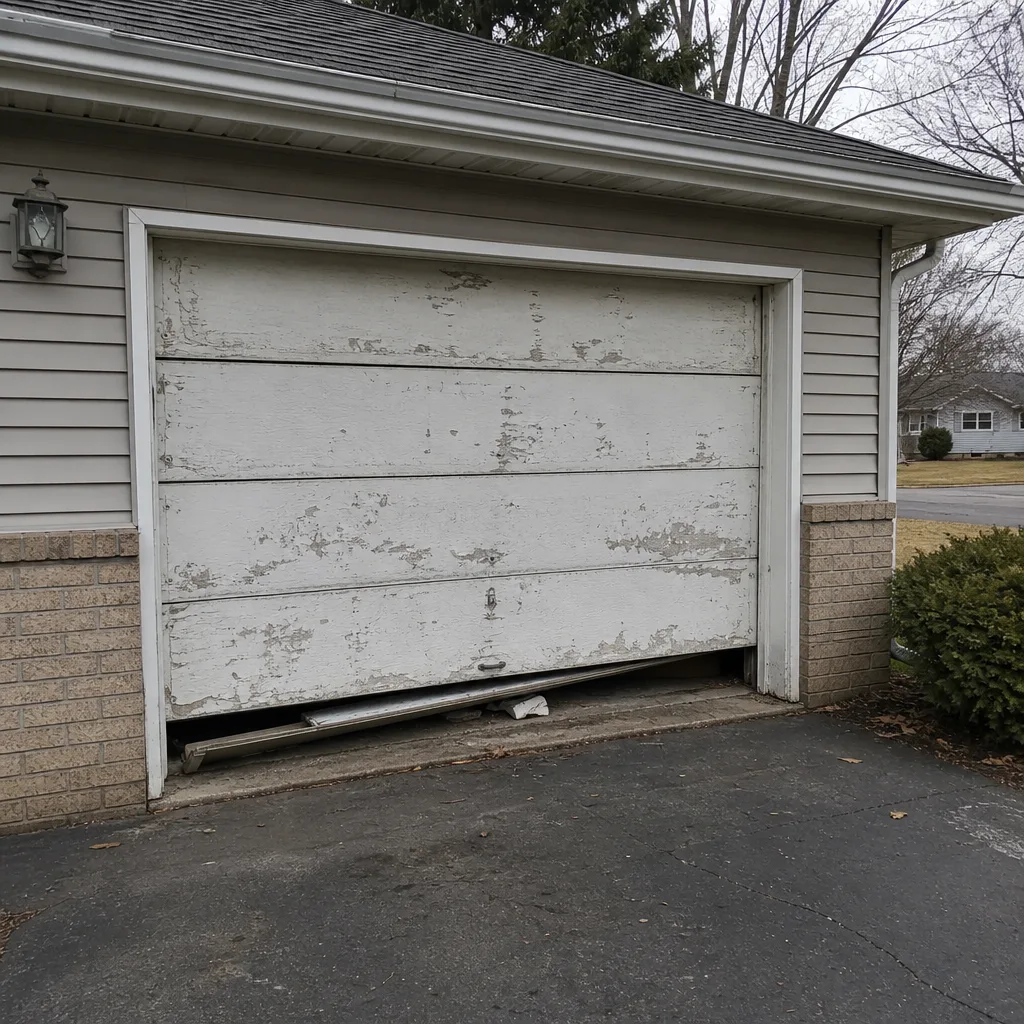 Before
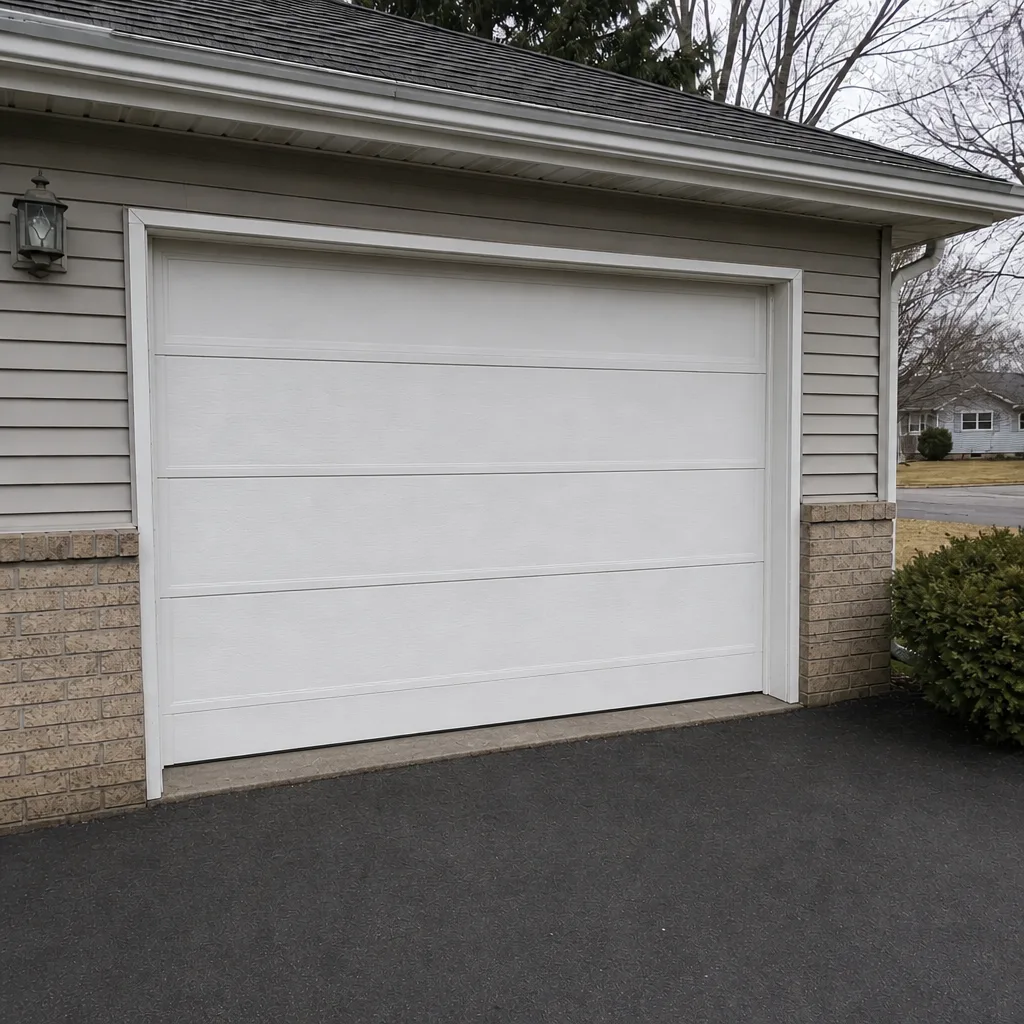 After
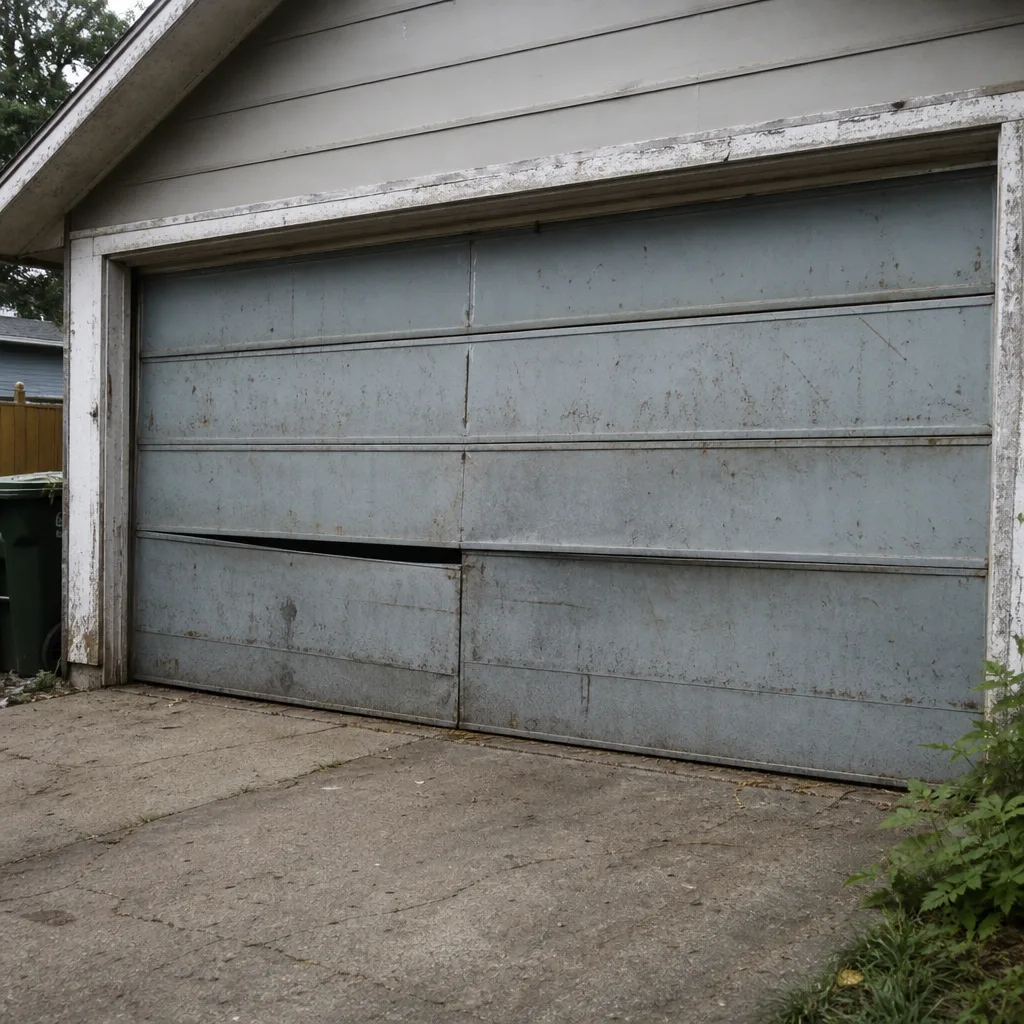 Before
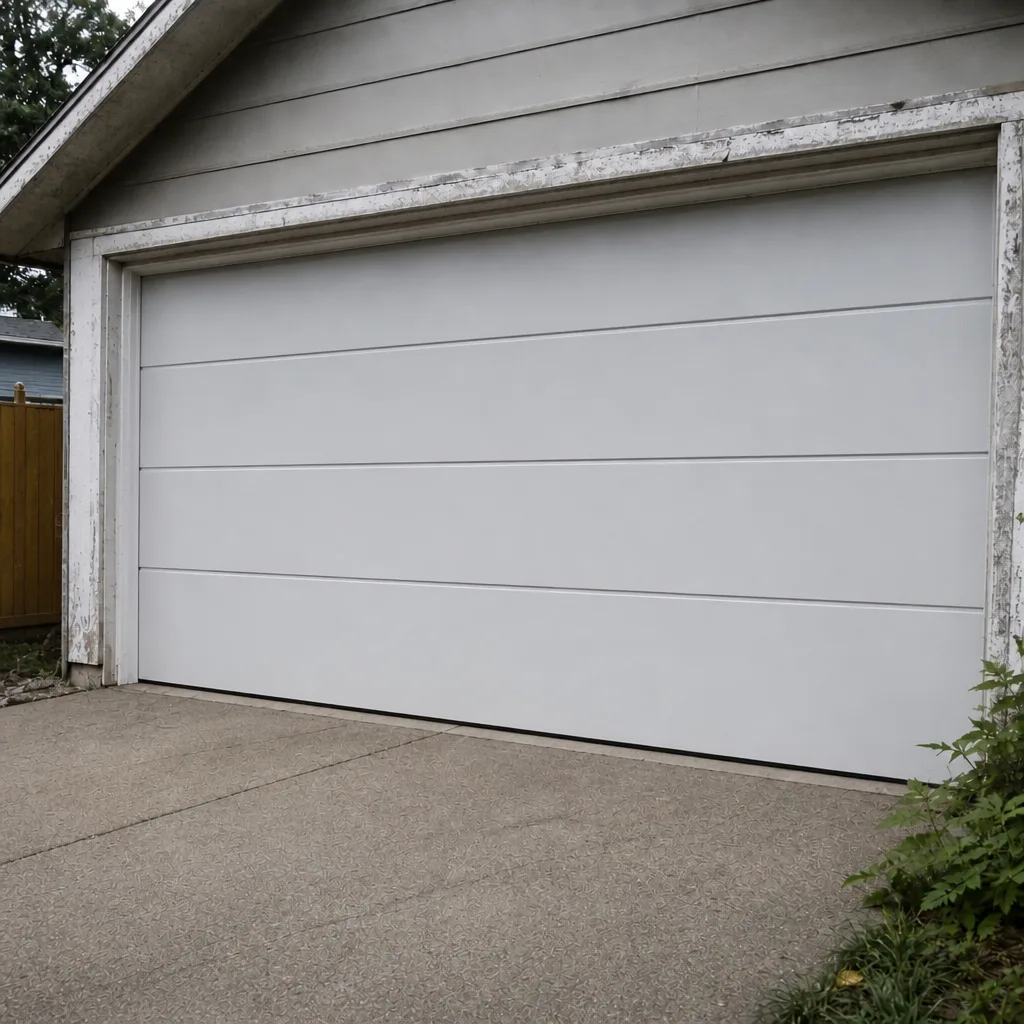 After
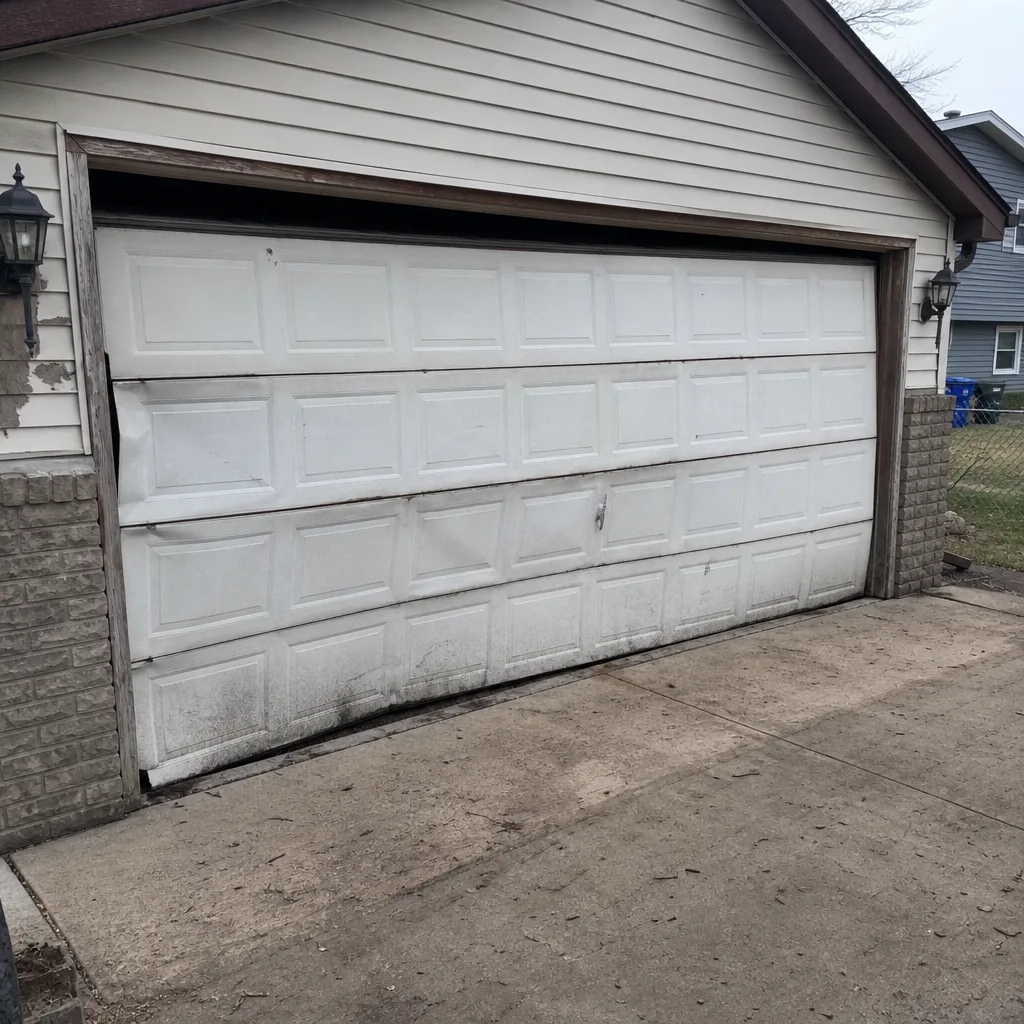 Before
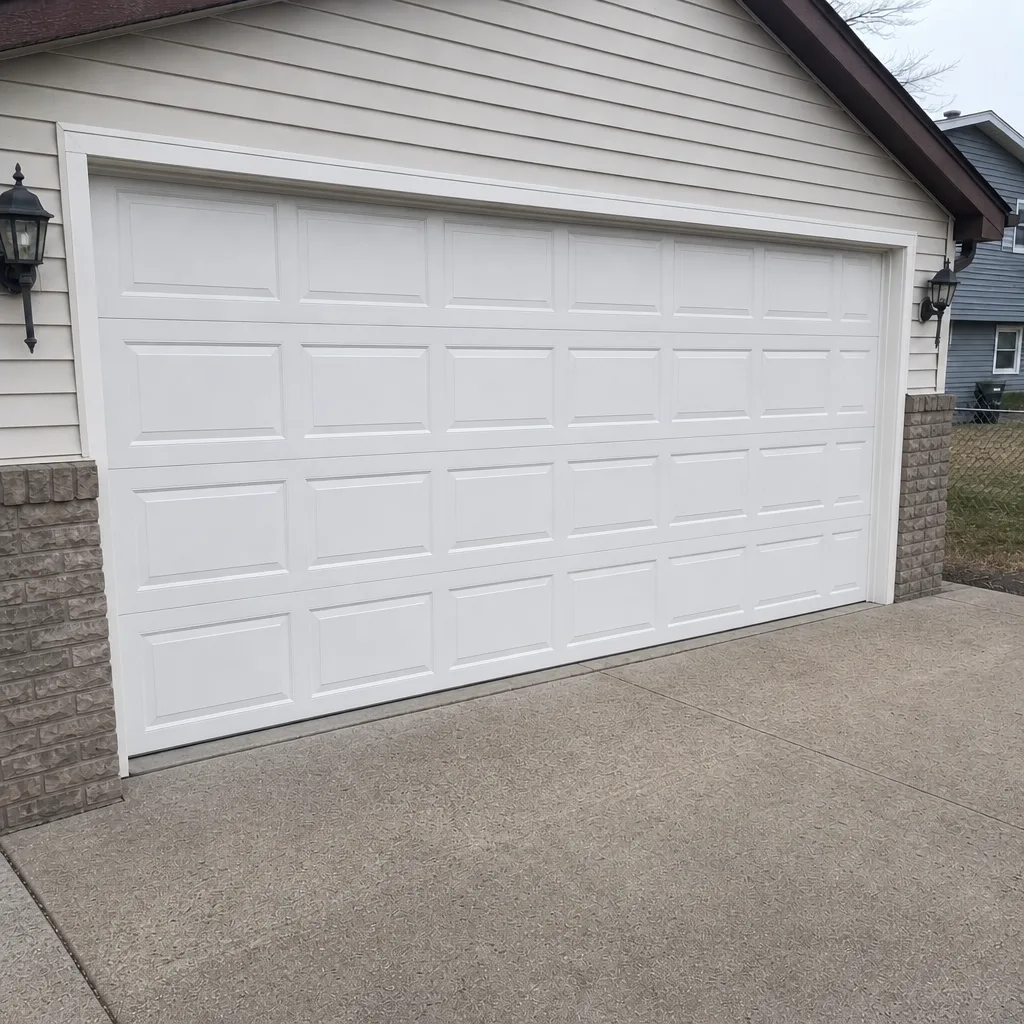 After
The Bottom Line
Plymouth garage doors have two failure seasons, and most homeowners only prep for one. Winter is hard, but spring thaw is where the freeze-thaw damage actually shows up. The maintenance model is simple: lubricate in October, inspect in March, calibrate in summer, and recheck in fall. The two tasks that matter most are the October lubrication window and the March seal inspection, and the one task to never do yourself is torsion spring adjustment. Everything else on the list is a ten-minute check that keeps a small problem from becoming a cold-morning failure. If the season turns up something you’re not sure about, Plymouth Garage Door Repair Pros offers free estimates in Plymouth, and we cover the full service lifecycle, from a broken spring to a brand-new door.
Contact
If this guide raised a question about your door, or if the season has turned up something that doesn’t look right, call Plymouth Garage Door Repair Pros at (855) 337-1124 for a free estimate. We answer 24/7. Fast dispatch from 7am to 7pm, Sunday through Friday. Springs, openers, panels, full doors: one call covers it all, and the price is quoted and agreed before any work starts.
Written by the team at Plymouth Garage Door Repair Pros.